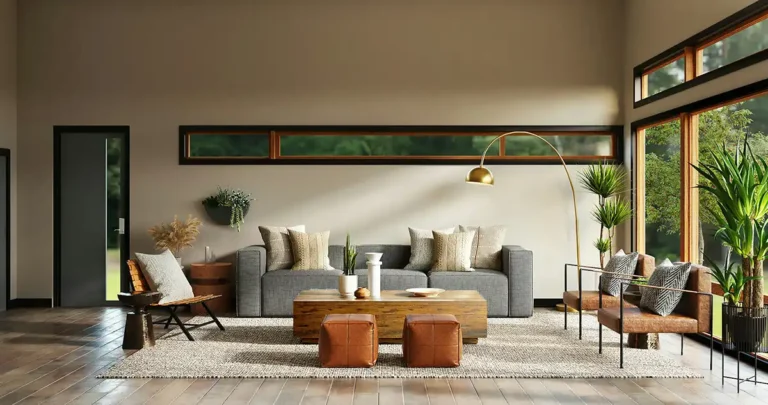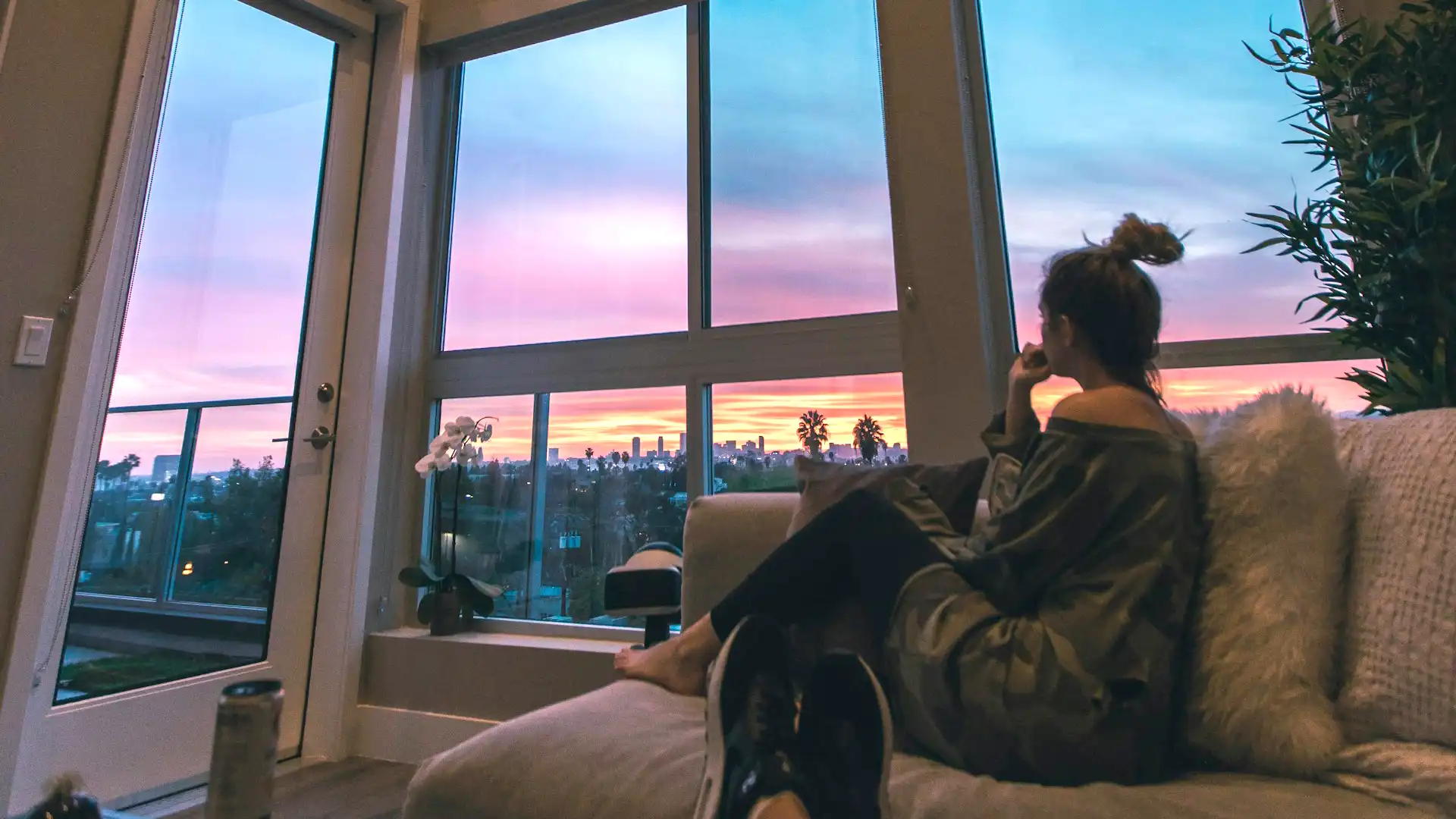
Natural light has become one of the most desirable features in modern homes, workspaces, and public buildings.
From airy loft apartments to glass-topped extensions and contemporary commercial spaces, the way we build with glass has evolved dramatically.
Glazing Bars are at the heart of many of these light-filled designs, however they’re often overlooked.
Despite this, glazing bars play a vital role in both the structure and style of glazed architecture, shaping not only how buildings function, but also how they look and feel.
The Purpose of Glazing Bars
Glazing bars exist to provide strength and stability to glass installations, particularly where large spans of glass are involved. Without them, glass roofs and skylights are at risk at failing under the conditions of weather, structural loads, or time.
But their role goes beyond engineering. Glazing bars divide glass into sections creating aesthetics that can feel either traditional or strikingly modern.
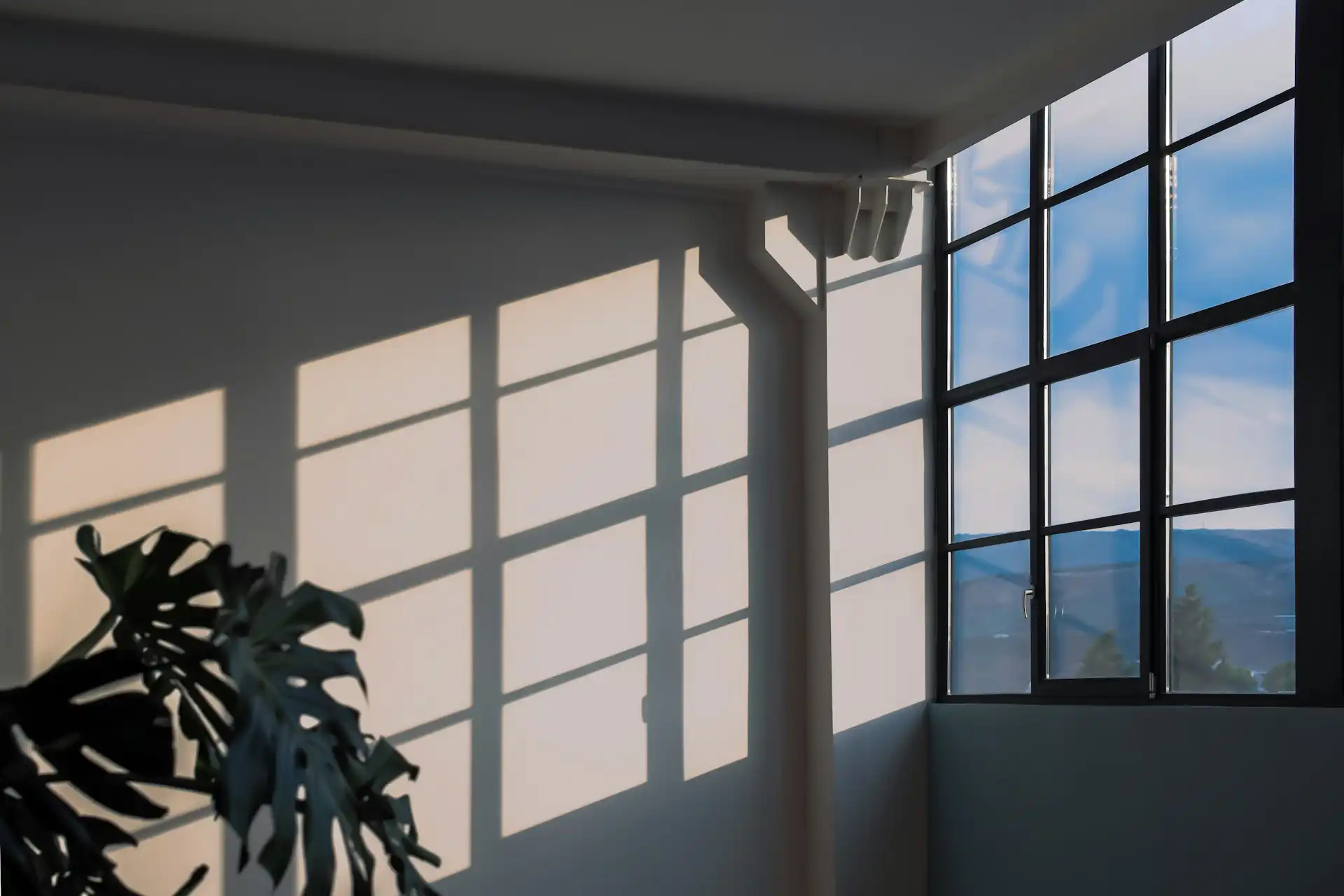
Their placement influences how light enters a space and how shadows move throughout the day.
Where Glazing Bars Are Used
You’ll find glazing bars across a wide range of environments, including by not limited to Home extensions and garden rooms, roof lanterns and skylights, commercial buildings, and heritage restorations.
They’re particularly useful in urban living, where access to outdoor space can be limited, as they can help interiors feel larger, brighter and more connected to the outdoors.
Traditional vs Modern Design
Historically, glazing bars were made from timber or steel, often thicker and more decorative. These designs are still popular in period homes and conservation projects, where maintaining authenticity is key.
Modern glazing bars, however, are typically slimmer and made from materials such as aluminium. This allows for larger panes of glass, cleaner lines, and improved performance.
Buildings such as the Victoria and Albert Museum have received updates to their glazing bar systems that still reflect the properties heritage, thus combining modern design with traditional style.
Performance Matters as Much as Style
While glazing bars contribute to visual appeal, performance is critical. Modern systems are designed to manage water runoff, resist wind uplift, and support double or triple glazing units for improved energy efficiency.
When paired with high-quality glass, these modern systems help to regulate internal temperatures while reducing reliance on artificial lighting.
Sustainability and Energy Efficiency
As sustainability becomes a growing concern in construction and renovation, glazing bars play an important supporting role. Allowing more natural light into buildings reduces energy consumption, while modern materials are often recyclable and designed for long service life.
Well-designed glazing solutions can also improve wellbeing. Numerous studies show that access to daylight enhances mood, productivity and sleep patterns, including one that studied officers workers in environments that were optimised for daylight.
Choosing the Right Glazing Bars
Selecting glazing bars involves more than choosing a profile you like. Factors such as span length, roof pitch, glass weight and location all affect the type of system required.
Whether you’re working on a home renovation or a larger architectural project, it’s worth specialists such as Lonsdale Metal to understand what’s available. With their experience, they can help you design the perfect glazing bar solution for your property.
Have you installed glazing bars at your commercial premises or residence? Share your experience in the comments below!